


Image by BorgMattisson from Pixabay
Written by Megan Wittenberg, PsyD
Have you ever noticed yourself getting caught up on a running narrative in your mind that distracts you from your optimal performance? Or that you give yourself a pep talk after a particularly difficult point or poor execution of a play? This occurrence is more common than what athletes and performers tend to expect and the reality is that all athletes and performers talk to themselves, whether they want to admit it or not. The conversations that they engage in with themselves is also known as self-talk. So, what is the purpose of talking to ourselves?
Much like conversing with others, self-talk serves a wide array of functions in different areas of our lives. We can engage in self-talk to help with reasoning and problem solving, assist with planning, and aiding with motivation, or provide ourselves with instructions.
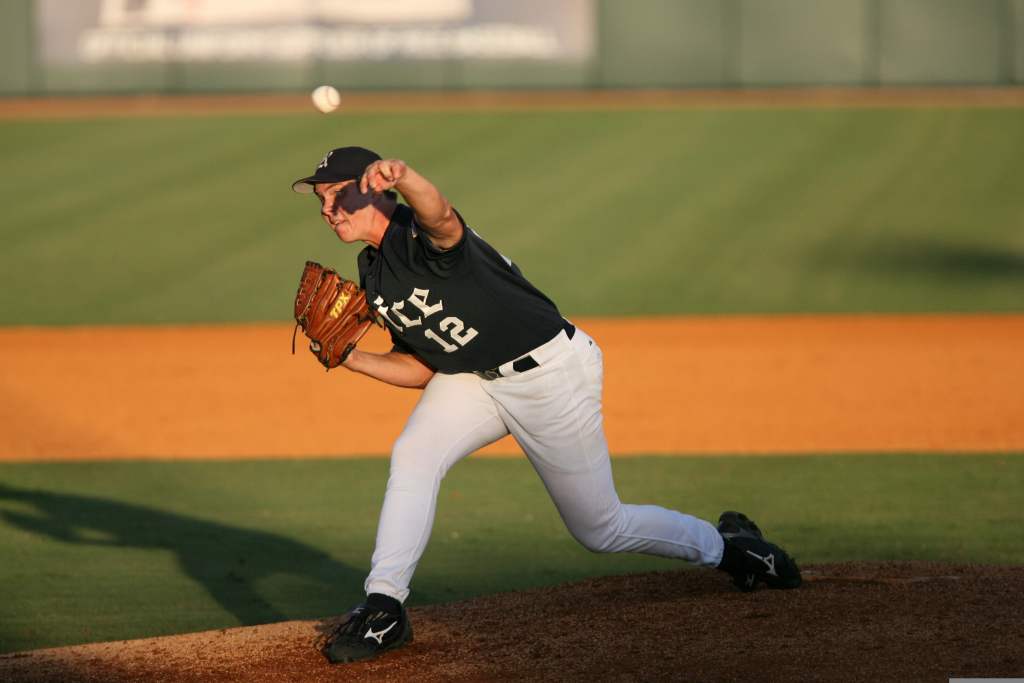
Image by Keith Johnston from Pixabay
Take for example, Tommy (a fictious baseball player) is stepping up to the plate for his turn to bat, as he is getting ready to swing, the thought running through his mind is “Load. Stay back. Drive through.” In this instance, Tommy is engaging in instructional self-talk. Like it sounds, instructional self-talk is an individual providing themselves with some sort of direction for action. Implementation of this form of self-talk can serve to reduce distractions during athletic performance.
Now let us take a look at Claire (a fictional golfer). She has just lined up her next shot to perfection, and her ball ends up going into the rough. Understandably frustrated with her current performance, Claire takes a deep breath and tells herself “I can recover from this. Focus on the next shot.” Our golfer has just engaged in motivational self-talk, which the use of positively phrased statements addressed at herself. Motivational self-talk can be used by athletes to help with “psyching” themselves up or to build confidence.

Image by wal_172619_II from Pixabay
Conversely, there can be drawbacks to self-talk for athletes. Self-talk can be implemented in a manner that can result in choking under pressure or the phenomenon known as “paralysis by analysis.” Intervention for negative self-talk could be needed if the occurrence of negative self-talk is not due to fatigue or feeling overwhelmed during practice/performance.
Sometimes going to ourselves for expert advice is not enough and we are here to provide that additional support. Like with any aspect of performance, self-talk skills can be enhanced.
Looking to speak with an expert to unlock more? Fill out a new client form here.

Megan Wittenberg, PsyD | Postdoctoral Fellow
Dr. Wittenberg provides evidence-based therapy and psychological assessment tailored to each person’s unique needs and goals. Using a collaborative, strengths-based approach, Dr. Wittenberg supports individuals navigating anxiety, depression, trauma, sleep concerns, life transitions, and performance-related challenges. Dr. Wittenberg also conducts ADHD and diagnostic clarification evaluations.
