


Written by Joanna Woo, PsyD, MBA. Reviewed by Emily Sander, PsyD, LP.
As Miley Cyrus sang in her song The Climb, “there’s always gonna be another mountain, I’m always gonna wanna make it move, always gonna be an uphill battle, sometimes I’m gonna have to lose.” These lyrics resonate with many people because they can represent the inevitable challenges and stressors that we face. But what if you didn’t have to lose? What if you can climb those mountains and almost always win?

Zero-Stress Lifestyle, sounds great? Think again! The Yerkes-Dodson Law states that the relationship between physical and or mental arousal (e.g., stress) and performance can be depicted with an inverted U-Curve (APA, 2025). In other words, too little or too much stress will hinder performance. So, completely eliminating stress would not be optimal nor beneficial in the long term. For instance, if a student was not stressed about passing an exam, they would not study, which would probably lead them to failing the exam. If they stressed too much about the exam, despite the studying and preparation they may have done, their anxiety could overwhelm them, which if likely to decrease their chances of doing well on the exam. An optimal level of stress will motivate the student to study and be well-prepared for the exam. As you can see, it is important to find the “right amount” of stress that works for you to promote success. This may require some self-reflection, and, obviously, stress management skills.
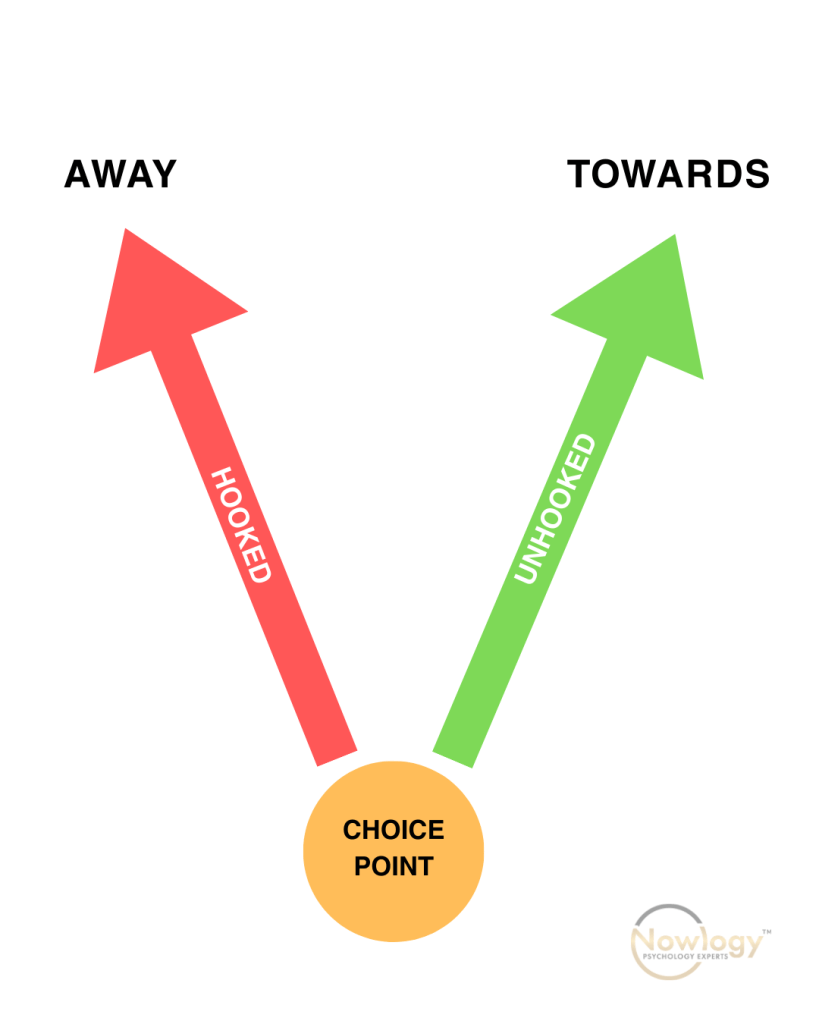
The fact that there will always be another challenge or stressor to overcome may be discouraging, if not, exhausting to think about. This is where the Choice-Point (from Acceptance and Commitment therapy) will help you manage your stress. In every situation, you have a choice about either which mountain to climb or how to climb the mountain. Another opportunity for self-reflection is thinking about what core values can guide these choices. Once you have a list of 5-10 core values, that will help you determine whether the “uphill battles” are worth the effort.

Finally, and to no surprise, self-care is an essential part of stress management, but this strategy isn’t the usual “self-care” that people promote, such as a trip to the spa, or eating a comfort meal. This self-care strategy revolves around the power of Accumulated Habits. To demonstrate what this means, think about these two options. Would you rather receive one payment of $15 per month or $1 per day? If we do some quick math here, a dollar per day for an entire calendar year gives you $365, which is more than $180 ($15 times 12-months). You can’t do much with $1, but adding (or accumulating) those $1 every single day will lead to a greater reward than receiving $15 per month. This accumulating effect occurs with self-care habits. Day by day you probably won’t feel the effects, but in the long run, it will make you feel much better than a “monthly spa trip.” Here are 3 important buckets to consider as you reflect on daily habits to adopt: Daily Rest (e.g., sleep, relaxation, mindfulness); Daily Intake (e.g., food, media content, gratitude; humor); Daily Movement (e.g., walking, exercise) (please find more daily self-care habits here).
Reaching the “right amount” of stress will motivate you to achieve your goals; you can choose what challenge to face and or how to handle a challenge; and the effects of daily self-care habits accumulate to produce beneficial results.
Looking for guidance on stress management? Schedule a free consultation or book an appointment to get started, today.
References
Simply Psychology (2025, August 14). Yerkes‑Dodson law of arousal and performance. Retrieved September 8, 2025, from https://www.simplypsychology.org/what-is-the-yerkes‑dodson‑law.html
Association for Contextual Behavioral Science. (n.d.). Choice Point Model. In Resources for Clinicians [Web page]. Retrieved September 8, 2025, from https://contextualscience.org/choice_point_model
National Institute of Mental Health. (2024, December). Caring for your mental health. Retrieved September 8, 2025, from https://www.nimh.nih.gov/health/topics/caring-for-your-mental-health

Joanna Woo | PsyD, MBA | Postdoctoral Fellow
Dr. Joanna Woo helps clients navigate emotional challenges, high expectations, and life transitions with warmth, clarity, and action-oriented support. She works with young adults, high-achieving students, first-generation professionals, and BIPOC individuals seeking balance, resilience, and authenticity. Dr. Woo also offers executive coaching to help leaders align decisions with their core values, strengthen emotional intelligence, and cultivate purposeful, effective leadership, guiding clients toward growth, healing, and a life that reflects their values and goals.
